
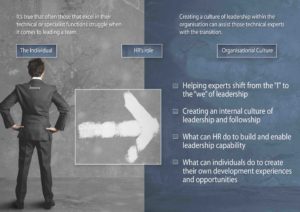
It’s the age-old story. Someone is excellent at their front-line role and is then promoted into a supervisory role.
Interesting new research from Gallup on new supervisors: https://lnkd.in/gfn3AB3s
The highlights:
* 65% of those surveyed gained their supervisory role with no direct supervisory experience.
* New supervisors with no experience are typically less engaged.
* 23% of supervisors said they’ve never had any training to support their transition into the role. 32% said they had some training, but not in the last year.
* The engagement of the supervisor is critically important for the team they manage:
“Gallup’s meta-analysis of the relationship between manager and direct report engagement, as reported in Culture Shock, finds that managers’ own engagement, effectiveness, and natural talents account for at least 70% of the variance in team-level engagement, even while controlling for other factors.”
Some Practical Tips
If this is you, or someone in your team. Here are a few practical things you can do to support a new supervisor.
* Have a formal onboarding process. What’s different about the role? What is the person expected to do? What are the doing vs managing vs leading components of the role? What does success look like for the role?
* Provide support around the areas of supervision that many people find difficult – having “tricky conversations”, giving feedback, and managing poor performance. This could be active mentoring/support and/or training/coaching.
* Look at how to manage your day. Often new supervisors are expected to simply absorb the people elements of their role without letting go of anything. This results in either unsustainable workload – burnout, or the people stuff just not getting done.
* Look for the bright spots. Who in the organisation is great at the people aspects of supervision? What capacity do they have to form a buddy or peer mentoring support system?
The Takeaway
The reality is that without support, our new supervisors will remain less engaged, which means our teams will be less engaged. It’s a vicious cycle.
Let’s break the cycle, and if this post resonates with you or a team member, think about one thing that you can do today that will start to make a difference.
Let’s Dive Deeper
How to turn a technical expert into a leader (part 1)
How to turn a technical expert into a leader (part 2)
How to turn a technical expert into a leader (part 3)
Want More?
- If the above has whetted your appetite, and you’re keen for more.. Here are some ideas:
- Does leadership interest you? You can sign up to my FREE seven day “Be a Better Boss Challenge” by clicking here. And you can click here to buy my book.
- Want to chat? Click here to get in touch.
- Want more to read? You can read any of the 300+ blog posts on this site, by clicking here.
See you soon,